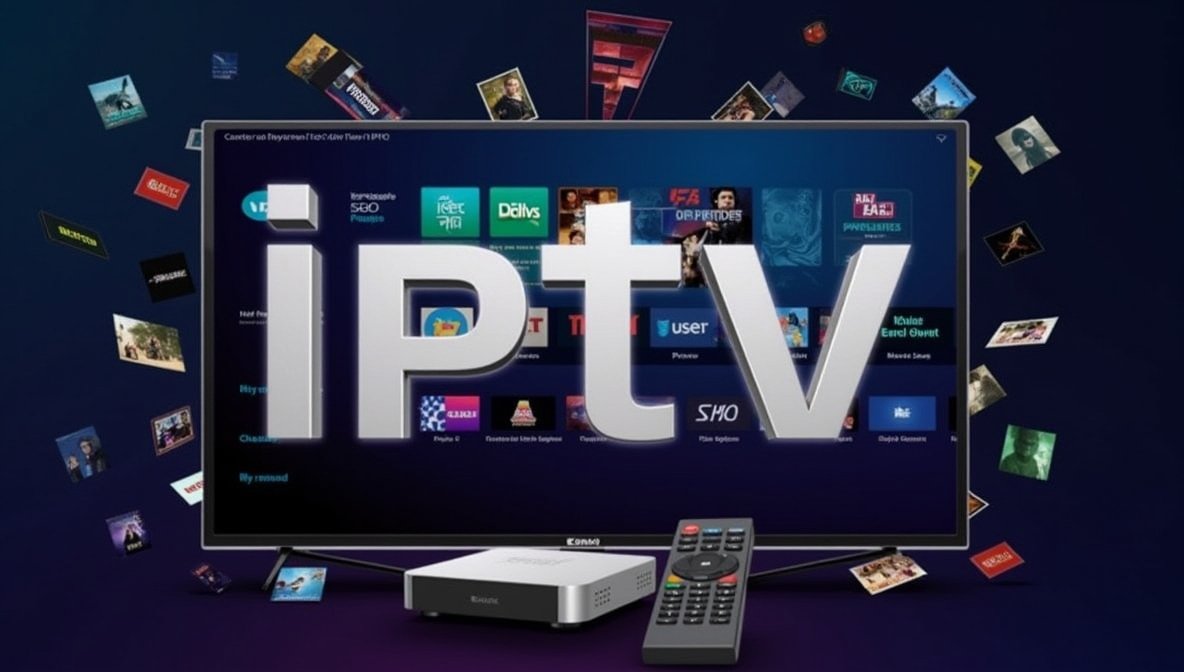
IPTV stands for Internet Protocol Television, a system where television content is delivered through internet networks instead of traditional cable or satellite formats. Unlike older broadcasting methods that rely on fixed schedules and physical infrastructure, IPTV allows users to stream media in real time or on demand using an internet connection. This shift has changed how people consume entertainment by offering more flexibility and control over what they watch.
In simple terms, IPTV works like any other internet-based service. Instead of receiving signals through antennas or cable lines, users access channels and content through apps, smart TVs, or streaming devices. This makes IPTV especially appealing to users who want convenience, variety, and access to global content without being tied to traditional TV providers.
How IPTV Works
IPTV operates by converting television signals into data packets that are transmitted over the internet. These packets are then decoded by a device such as a smart TV, smartphone, or IPTV box, allowing the user to view live channels or on-demand content. The best IPTV reseller panel relies heavily on stable internet connectivity to ensure smooth playback and minimal buffering.
The technology behind IPTV includes servers that store content, content delivery networks that distribute it efficiently, and user applications that display it. When a user selects a channel or video, a request is sent to the server, which then streams the content instantly. This on-demand structure is what makes IPTV more flexible compared to traditional broadcasting systems.
Types of IPTV Services
IPTV services are generally divided into three main categories: live television, video on demand, and time-shifted media. Live television allows users to watch broadcasts in real time, similar to traditional TV but delivered through the internet. This is often used for sports, news, and live events.
Video on demand services provide access to a library of content that users can watch at any time. This includes movies, series, and recorded shows. Time-shifted media allows users to replay previously aired programs, giving them the freedom to watch content they may have missed. These types together create a flexible viewing experience tailored to individual preferences.
Key Features of IPTV
One of the most important features of IPTV is its ability to provide on-demand access to content. Users are not restricted by broadcast schedules and can choose what they want to watch at any time. This feature is particularly useful for people with busy lifestyles who prefer flexible viewing options.
Another key feature is multi-device compatibility. IPTV services can be accessed on smart TVs, laptops, tablets, and smartphones, making it highly adaptable. Additionally, many IPTV platforms offer features such as pause, rewind, and record, giving users more control over their viewing experience compared to traditional television systems.
Benefits for Beginners
For beginners, What is IPTV? guide offers a simple and cost-effective way to access a wide range of entertainment options. Instead of subscribing to multiple cable packages, users can often find everything they need in one IPTV subscription. This reduces complexity and makes it easier to manage viewing preferences.
Another benefit is the ease of setup. Most IPTV services require only an internet connection and an application or device to start streaming. There is no need for complicated installations or hardware setups. This makes IPTV an attractive option for users who are new to digital streaming and want a straightforward experience.
Streaming Experience
The streaming experience on IPTV largely depends on internet speed and service quality. With a stable connection, users can enjoy high-definition or even ultra-high-definition content without interruptions. Many IPTV providers optimize their servers to reduce buffering and improve playback performance.
User interface also plays a major role in the experience. Modern IPTV applications are designed with simple navigation menus, search functions, and categorized content libraries. This allows users to quickly find channels or shows, making the overall experience more enjoyable and efficient compared to traditional TV browsing.
IPTV for Streamers
For streamers, IPTV opens up opportunities to access a wide variety of content sources and integrate them into their platforms. Whether they are gaming streamers, entertainment reviewers, or content creators, IPTV provides a vast selection of channels and media that can be used for commentary or background content.
Additionally, IPTV allows streamers to explore international content that may not be available through local broadcasting services. This expands their content library and helps them create more diverse and engaging material for their audience. It also supports multi-screen viewing, which is useful for live commentary or reaction-based content.
IPTV Reselling Basics
IPTV reselling has become a popular business model where individuals purchase IPTV subscriptions in bulk and sell them to end users. This model requires understanding the service provider, pricing structure, and customer demand. Successful resellers often focus on providing reliable service and strong customer support.
To start as a reseller, one typically needs access to a reseller panel from an IPTV provider. This panel allows them to manage subscriptions, create user accounts, and monitor usage. The key to success in this field is maintaining service quality and building trust with customers through consistent performance and support.
Legal and Safety Considerations
One of the most important aspects of IPTV is understanding its legal status. Not all IPTV services operate legally, and users must be cautious when choosing providers. Legal IPTV services have proper licensing agreements for the content they distribute, while unauthorized services may violate copyright laws.
Safety is another concern, especially when using unknown providers. Users should avoid services that request unnecessary personal information or offer suspiciously low prices. Using reputable providers and secure payment methods can help reduce risks and ensure a safer streaming experience overall.
How to Get Started
Getting started with IPTV involves selecting a reliable service provider and ensuring you have a stable internet connection. Once a subscription is purchased, users typically install an IPTV application on their preferred device and enter login credentials provided by the service.
After setup, users can explore channels, on-demand libraries, and features offered by the platform. Beginners should start with basic usage before exploring advanced features like recording or multi-screen viewing. Over time, users can customize their experience based on their viewing habits and preferences.