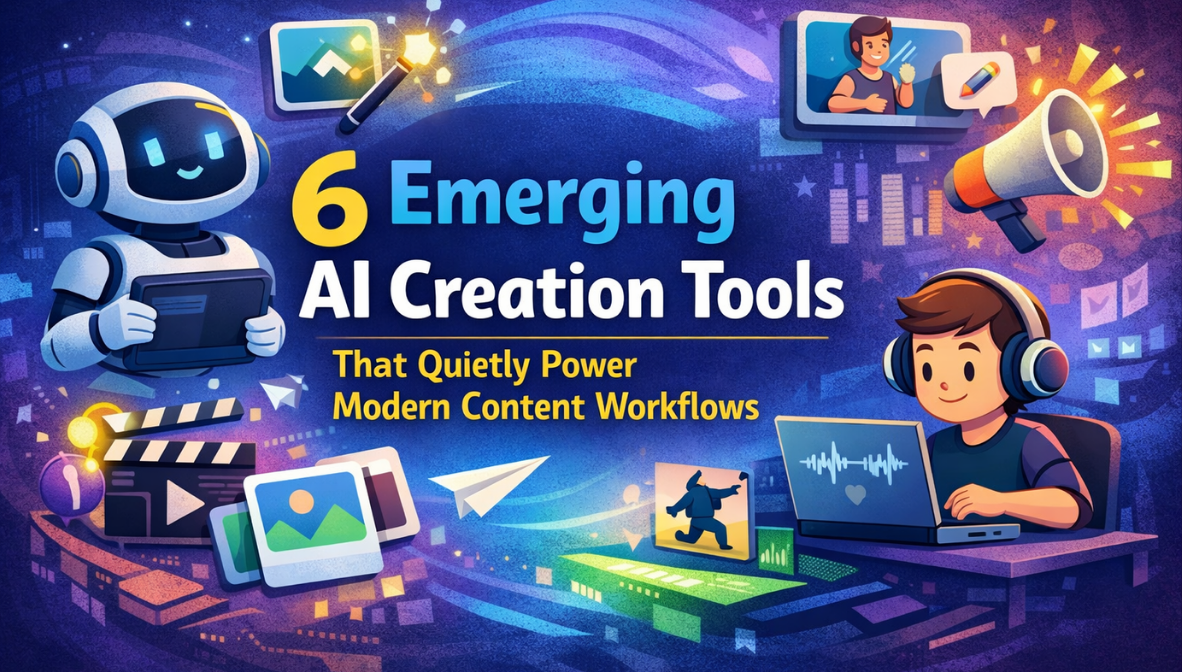
Creating high-quality visual and video content no longer requires a big team or expensive software. A new wave of AI-driven tools—many from smaller, low-profile platforms—are helping creators, marketers, and small businesses work faster while keeping full creative control. Below is a carefully curated list of six AI tools, starting with the most versatile option, followed by lesser-known alternatives that avoid mainstream, over-hyped platforms.
1. Invideo — A Smart Starting Point for Image-to-Video Creativity
Modern content creation often begins with a single image or idea. This is where invideo stands out as a practical solution for turning static visuals into dynamic stories without complexity. Its AI-powered workflow allows creators to transform images into engaging visual narratives while maintaining a human, natural feel in the final output.
One of the most useful features is its image-to-image transformation, which helps creators reimagine visuals for different styles or themes using an ai image generator from image. This is particularly valuable for social media marketers who want multiple creative variations without starting from scratch.
For creators who work primarily on mobile or prefer app-based workflows, the platform also offers a streamlined experience through ai video apps. This makes it easier to ideate, generate, and edit content on the go—ideal for short-form videos, reels, and quick promotional assets.
What makes this tool especially effective is its balance between automation and customization. Instead of forcing rigid templates, it allows creators to guide the output, ensuring videos feel intentional rather than robotic. For beginners,invideo it reduces friction. For experienced creators, it speeds up production without sacrificing quality.
2. RunwayML Lite Tools — Experimental Visual Editing for Indie Creators
RunwayML’s lighter, less-publicized tools cater to creators who enjoy experimenting with AI-assisted visuals. These tools focus on background removal, motion generation, and simple video effects that can enhance storytelling without overwhelming the user.
Unlike enterprise-level software, this ecosystem appeals to indie filmmakers and designers who want to test ideas quickly. The interface is clean, the learning curve is manageable, and results feel surprisingly polished. It’s especially helpful for creators who want AI to assist—not dominate—the creative process.
3. DeepAI Studio — Straightforward AI for Visual Concept Development
DeepAI Studio is often overlooked, yet it offers a collection of simple AI tools that help with visual ideation. From basic image generation to style experimentation, it works well for early-stage concepts and creative brainstorming.
This platform is useful for bloggers, educators, and small teams who need visuals to support written content. It doesn’t try to replace full design software but instead fills the gap between imagination and execution. Its lightweight nature makes it ideal for fast iterations and idea validation.
4. Pictory Mini — Text-Driven Video Creation for Content Repurposing
Pictory Mini focuses on converting written content into short, engaging videos. This makes it a strong choice for creators who already produce blogs, newsletters, or scripts and want to repurpose them into visual formats.
The AI analyzes text structure and automatically suggests visuals and pacing, which helps maintain narrative flow. While it doesn’t aim for cinematic complexity, it excels at clarity and efficiency—perfect for educational videos, explainers, and social media snippets.
5. Kapwing AI Tools — Lightweight Editing for Collaborative Teams
Kapwing’s lesser-known AI features are designed for teams that collaborate remotely. It includes smart trimming, caption generation, and basic visual enhancements that simplify group workflows.
What makes this tool appealing is its accessibility. Team members with different skill levels can contribute without disrupting the creative process. It’s particularly effective for startups and small agencies that need consistent output without heavy production overhead
6. Animaker Neo — Simplified Animation for Story-Focused Content
Animaker Neo specializes in AI-assisted animation, making it easier to produce animated explainers and storytelling videos. Its character-based approach works well for educational content, onboarding materials, and brand storytelling.
This platform shines when clarity matters more than realism. The AI helps with scene composition and motion timing, allowing creators to focus on the message rather than technical details. For businesses that want animated visuals without hiring specialists, this tool offers a practical middle ground.
Final Thoughts: Choosing Tools That Work With You
The AI content landscape is crowded, but not every creator needs enterprise-level platforms or heavily marketed solutions. The tools listed above prioritize usability, flexibility, and creative freedom—often from platforms with lower visibility but strong practical value. Tech FeedBuzzard
Starting with a versatile option and complementing it with niche tools can help creators build efficient workflows that scale naturally. The key is not chasing trends, but selecting AI solutions that support your ideas while keeping your voice intact.